The Civil National Dialogue Coordinating Committee held today, Friday, the second forum for civil national dialogue, dedicated to discussing the monopoly of arms in the hands of the state, enhancing the rule of law, the state's authority, and protecting national security and stability.
Speaking about this forum, the Secretary-General of the National Civil Movement, Shuruq Al-Abayji, stated in a statement to the Video News Agency that it comes to discuss the most priority files in the Iraqi scene and their impact on the future.
She clarified that the initiative came amid international, local, and regional pressures related to the area, emphasizing Iraq's need for shared solutions agreed upon by all to reach the highest national interest.
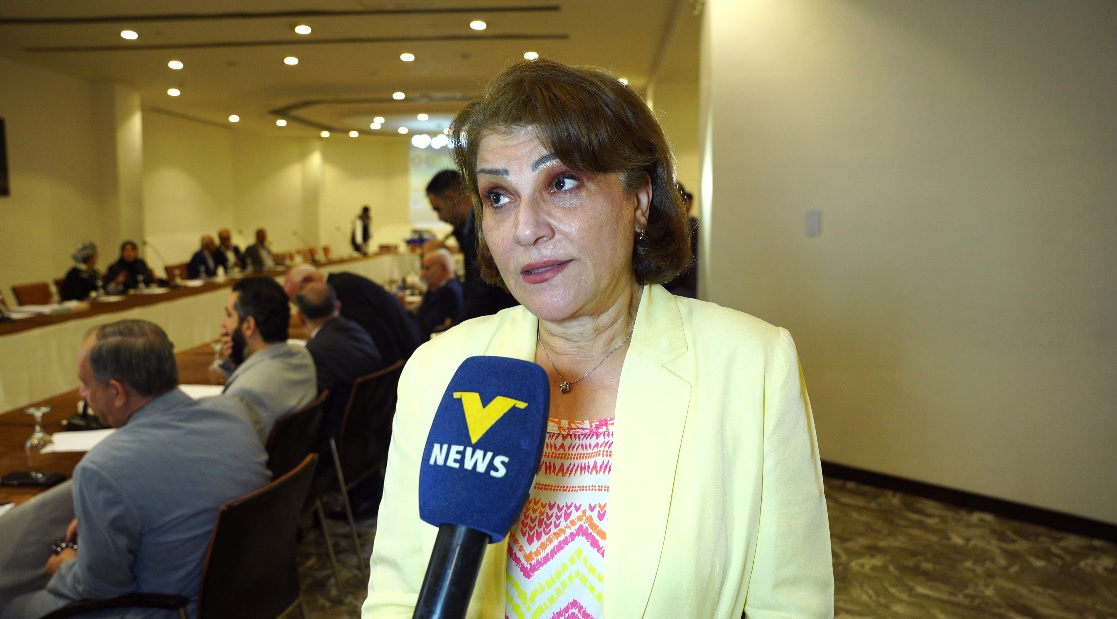
Al-Abayji added that it is not in Iraq's interest to have divisions and scattered positions that include threatening or provocative language, pointing to the need for a dialogue that establishes a common ground that guarantees the interest of the country, societal peace, and preservation of national sovereignty through continuous and intensive meetings to exchange viewpoints.
For his part, the Secretary of the Central Committee of the Iraqi Communist Party, Raed Fahmi, confirmed that the state and government are primarily responsible for the issue of arms control, noting that arms outside the state’s control weaken its sovereignty and ability to make strategic decisions regarding war and peace, and cause embarrassment and serious repercussions on Iraq's international relations and undermine its efforts to establish balanced relationships.
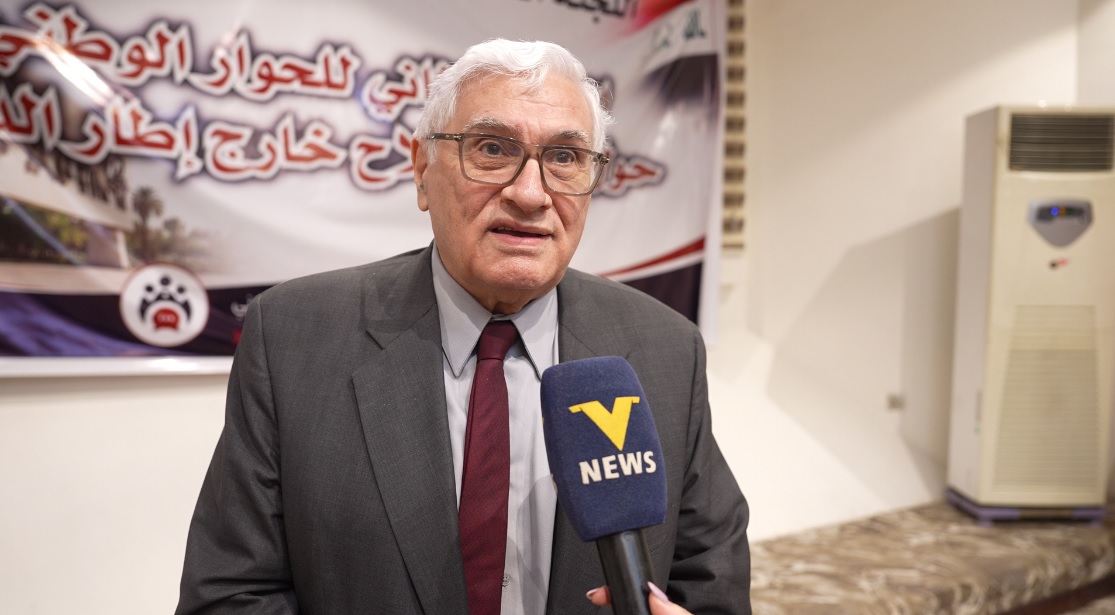
Fahmi told the Video News Agency that emphasizing the government's focus on this issue has become a local and external priority, calling for addressing the disparity between the positions of factional forces and the state through calm and decisive dialogue without leaving it open indefinitely.
He added that the element of time is essential to consider the highest national interest, expressing the need to provide guarantees and reassuring discourse to regain trust and avoid accusations of treachery and pressures, warning that failing to do so will expose the country to repercussions that the Iraqi people will bear the consequences of.