The director of the Iraqi Media Network Museum, Mina Amir Al-Hilu, the daughter of writer Ibtisam Abdullah and the journalist closely associated with the former regime, Amir Al-Hilu, has sparked widespread outrage among both the public and media circles. This backlash stems from a post that included implications deemed offensive to the millions of visitors heading to Karbala to commemorate Arbaeen of Imam Hussein (peace be upon him).
This behavior recalls her family's past linked to the archive of Ba'ath media and the glorification of its symbols; her father, Amir Al-Hilu, worked in state media institutions during the rule of the fallen Ba'ath Party, appointed directly and coordinated with senior officials of the fallen regime, including Adnan Khair Allah, culminating in the intervention of the late Saddam Hussein himself in 1991 to approve his retirement and honor him by granting him the position of General Director in the Ministry of Culture and Media in recognition of his services to Ba'athist media.
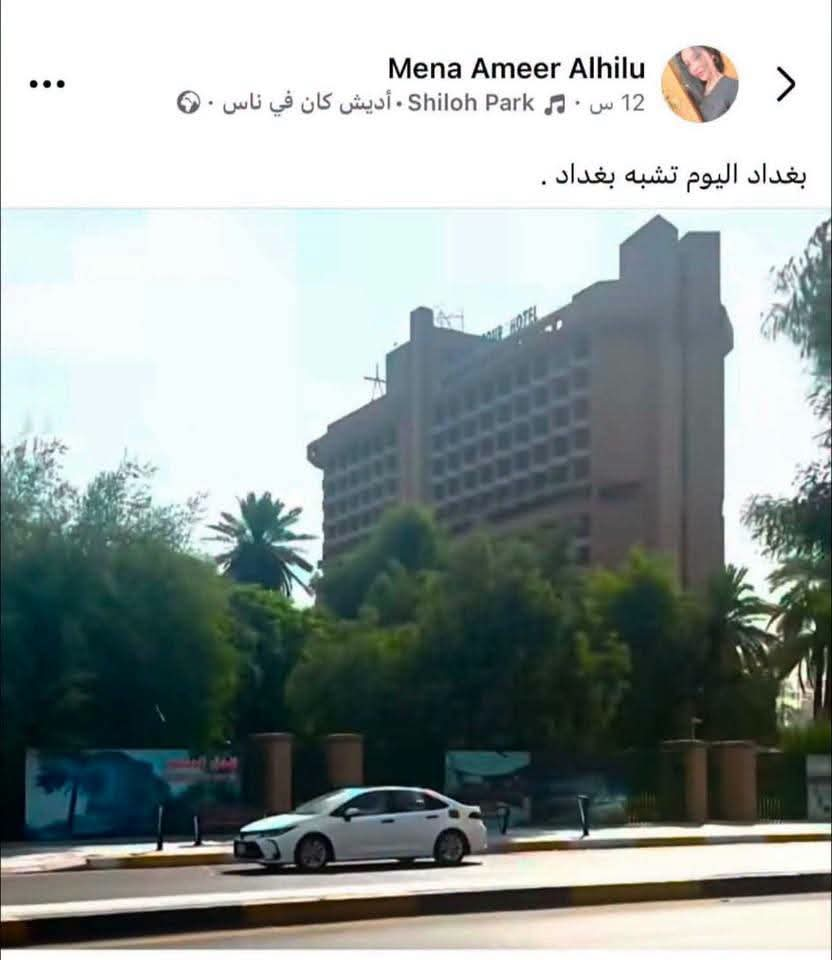
Al-Hilu had written in a post on her personal page the phrase "Baghdad today resembles Baghdad," coinciding with the empty streets of the capital due to the movement of millions heading to Karbala, which many followers interpreted as a derogation and overreach towards the visitors and religious practices, showing disdain for the larger community by depicting their presence in Baghdad as a source of disturbance and a distortion of the capital's civil appearance.
The controversial post sparked angry reactions focused on her family's past intertwined with the archive of Ba'ath media during the fallen regime, prompting Al-Hilu to issue a subsequent post claiming attempts of unauthorized access to the account by "Facebook" management. She continued her narrative by stating that the post was a video of an empty street that reminded her of the past before the traffic congestion, asserting that the prevalent understanding was far from her ethics, and affirming her commitment to preserving the cultural archive through her work at the Iraqi Media Network.
The justifications provided by Al-Hilu to her followers and the press were not convincing, as they were deemed an attempt to evade moral and professional responsibility by underestimating public opinion, given her official position in the Iraqi Media Network, funded by public money, which is supposed to defend the values of the new Iraq with all its components and authentic practices, and to distance itself from rhetoric that reminisces about the eras of dictatorship and exclusion.
Today, questions are increasing before the presidency of the Iraqi Media Network and oversight bodies about whether there will be an official and urgent investigation with the museum director regarding this behavior that impacts societal peace and provokes the feelings of millions, or if the official institution will remain silent regarding the violations of its officials to the balanced national discourse.