On August 8, the anniversary of what the doomed Baath regime in Iraq called the "Great Victory Day" is observed, which is the day when a ceasefire was declared in the Iran-Iraq War (the First Gulf War).
However, a simple historical reading away from totalitarian propaganda and national mobilization slogans reveals that what was promoted as a "historical victory" was nothing more than a huge lie and a transparent attempt to cover up a disastrous political and military failure, for which the Iraqi people paid a heavy price in blood, wealth, and future.
From the Violation of the "Algeria Agreement" to Igniting the Holocaust
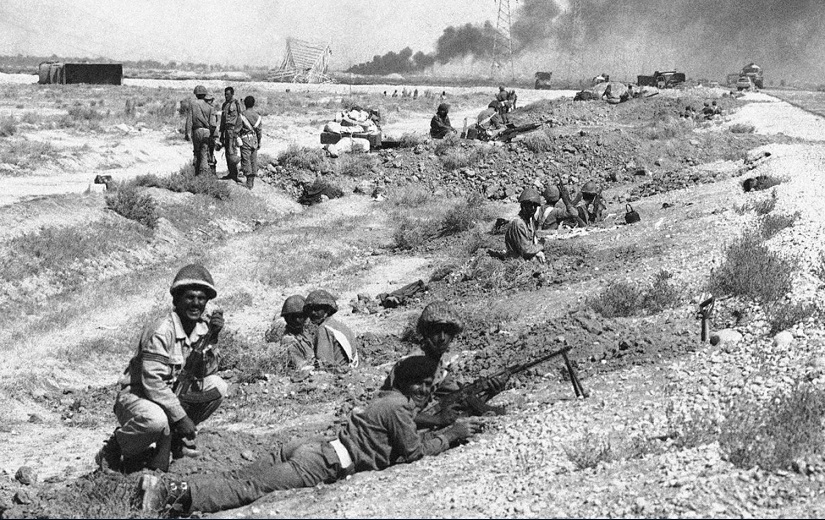
The roots of the disaster began in September 1980, when the late Saddam Hussein, arrogantly and unilaterally, announced the cancellation of the 1975 "Algeria Agreement" concerning the borders of the Shatt al-Arab and the land borders between the two countries.
At that time, the regime justified its actions by claiming absolute control over the Shatt al-Arab and deterring threats, launching a comprehensive war against a neighboring country in a personal decision that lacked the most basic levels of strategic calculation.
That war was merely a proxy confrontation on behalf of regional and international powers, notably the United States and its allies in the region, who saw in the Baathist regime's arrogance a tool to exhaust both sides and limit any strong balances in the region.
Over eight years, the regime was supplied with weapons and financial and logistical support, transforming the Iraqi army into a guardian of foreign interests that had nothing to do with Iraqi national interests.
Harvest of Eight Years: The Wood of Battles and Losses of Lives
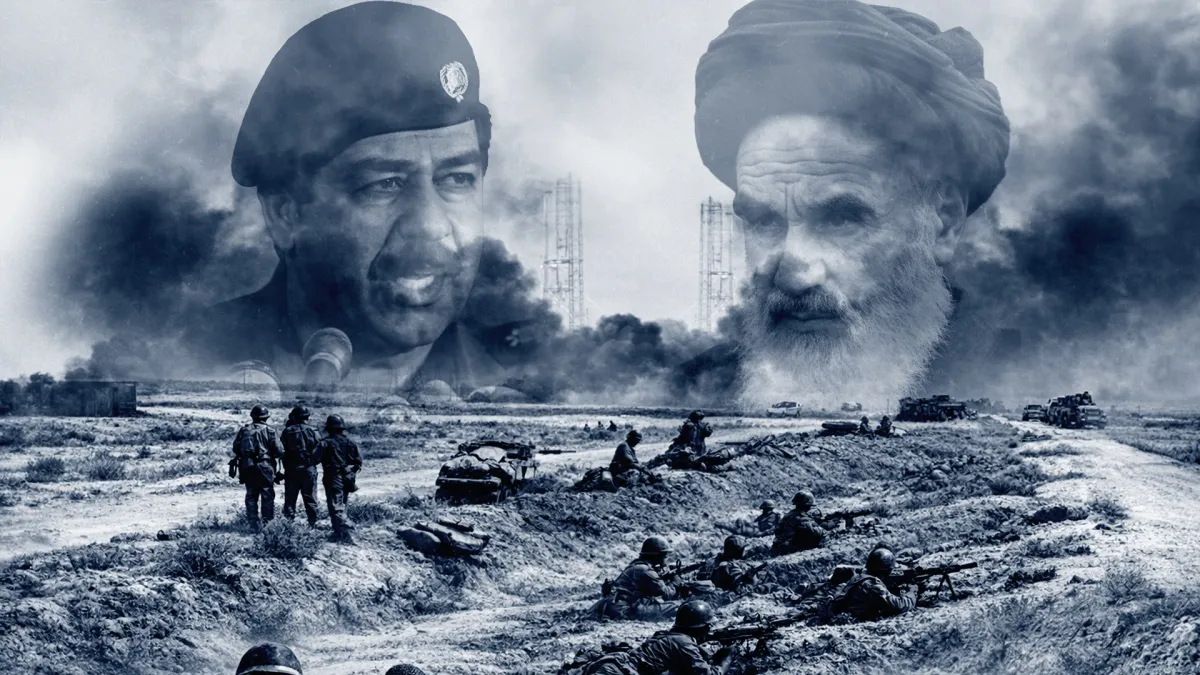
For two thousand nine hundred and twenty-eight days, the battlefronts moved from Khorramshahr and Faw to East Basra and Majnoon, to the mass graves and the lines of fire that consumed hundreds of thousands of young men and Iraqi soldiers.
The sons of the Iraqi people were dragged from farms, universities, and factories to serve as fuel for endless authoritarian ambitions, and prisoner camps piled up with thousands, while the war mutilated the bodies of hundreds of thousands left uncared for.
The destruction was not limited to the fronts but extended into the Iraqi home; the depletion of state resources led to the collapse of infrastructure, the spread of crime, and the fragmentation of the social fabric, in addition to deepening sectarian strife fueled by authoritarian rhetoric to divide the community and ensure blind loyalty to the president and his regime.
Returning to Square One
The claim of "victory" on August 8, 1988, clashes with the field and political realities, as after accepting UN Resolution 598 and halting combat, Iraq found itself returning exactly to the borders and situations that preceded September 1980.
Moreover, it is even more paradoxical that the regime, just two years later, specifically in 1990 on the eve of its invasion of Kuwait, rushed to accept all Iranian conditions and renewed recognition of the very 1975 Algeria Agreement that Saddam had initially torn apart and waged war over. What kind of victory does a leadership that sacrifices hundreds of thousands of its sons then return to accept the very condition it fought for?
From the Hell of 1988 to the Pit of 2003: The Deadly Sequence
The "alleged victory" was merely a prelude to greater disasters, as that war led to the bankruptcy of the state's treasury and the accumulation of enormous debts, prompting the late Saddam Hussein to embark on a more reckless and senseless adventure by deploying Iraqi forces in Kuwait in 1990.
This compounded strategic failure resulted in a coalition of 33 countries against Iraq, leading the country into a suffocating economic blockade that lasted for several years, destroying the middle class and starving the Iraqi people.
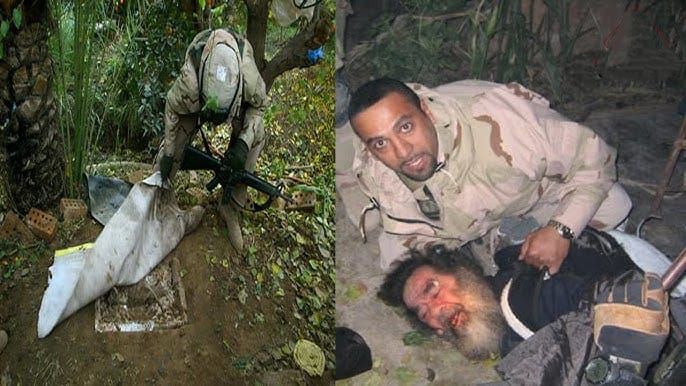
That series of reckless adventures ended with the resounding fall of the regime in 2003, leading to the downfall of the Baath warrior in a hole underground, hiding and stripped of power and dignity, before facing his trial and execution, after all international and regional powers that exploited his arrogance abandoned him, using wars for their own interests.

The date of August 8, 1988, will remain in the Iraqi national memory not as a day of victory, but as a reminder of the heavy price paid by peoples when an entire nation is driven toward the abyss due to the illusions of a necessary leader and his futile wars.